UV Protectant
Surface Protection Against High-Altitude Sun Damage
UV Protectant in Colorado Springs for interior materials exposed to intense sunlight and low humidity
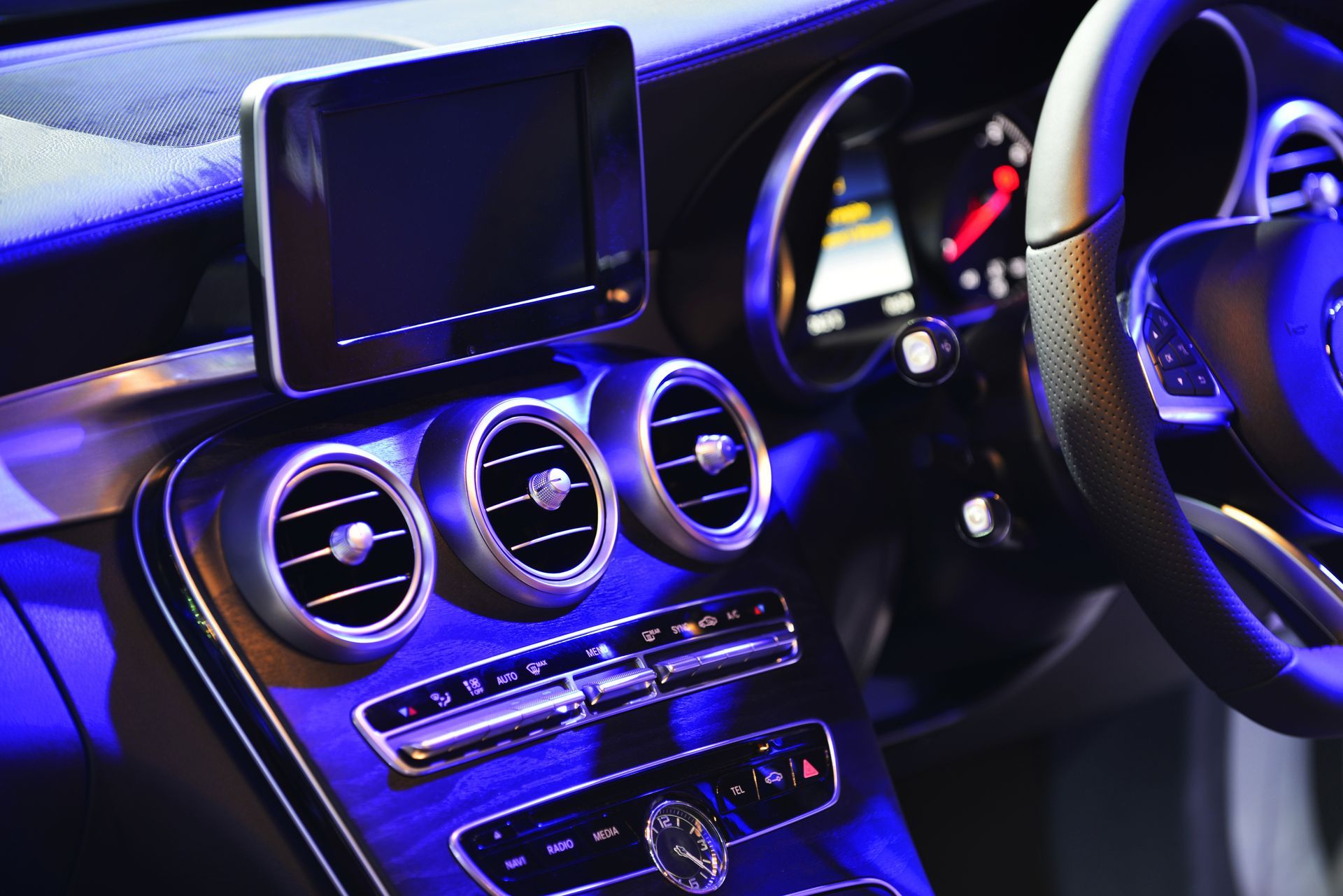
Colorado's high-altitude UV levels and low humidity cause interior plastics, vinyl, and leather to fade and crack faster than in lower elevations, particularly on dashboard surfaces directly exposed through windshields. UV Protectant adds a defensive layer to these materials that absorbs radiation before it penetrates the surface, slowing the breakdown that causes gray discoloration and spider cracks. The treatment leaves surfaces with a natural matte finish that does not attract dust or create the greasy reflection common with inferior protectants, and it complements any detailing package performed by Gabriels Auto Spa in Colorado Springs.
The protectant bonds to vinyl, leather, and plastic surfaces after they are cleaned and conditioned, creating a barrier that reduces moisture loss in the dry Colorado climate while blocking UV penetration. This matters because materials at 6,000 feet elevation receive UV exposure levels comparable to much higher latitudes, accelerating aging that would take twice as long in humid, lower-altitude regions.
Add UV Protectant to your next detailing appointment to extend the life of interior surfaces and reduce fading from daily sun exposure.
Why Interior Materials Break Down Faster in Colorado
Thin air at higher elevations provides less atmospheric filtering of ultraviolet radiation, meaning interior surfaces receive more UV exposure per hour of sunlight than vehicles driven at sea level. Low humidity compounds this by pulling moisture from leather and vinyl, leaving materials brittle and prone to cracking under the stress of temperature swings between hot dashboards during the day and cold cabins overnight.
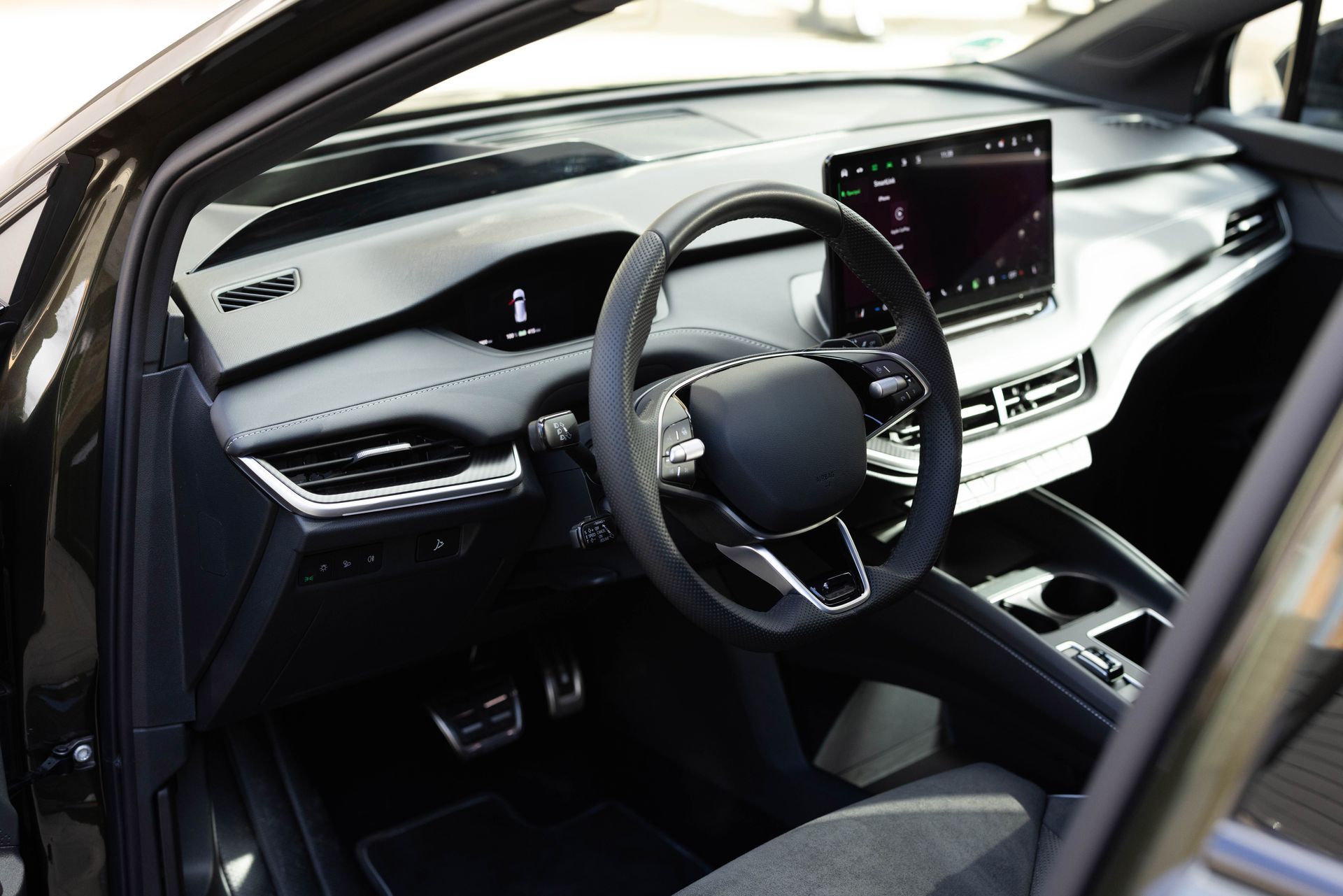
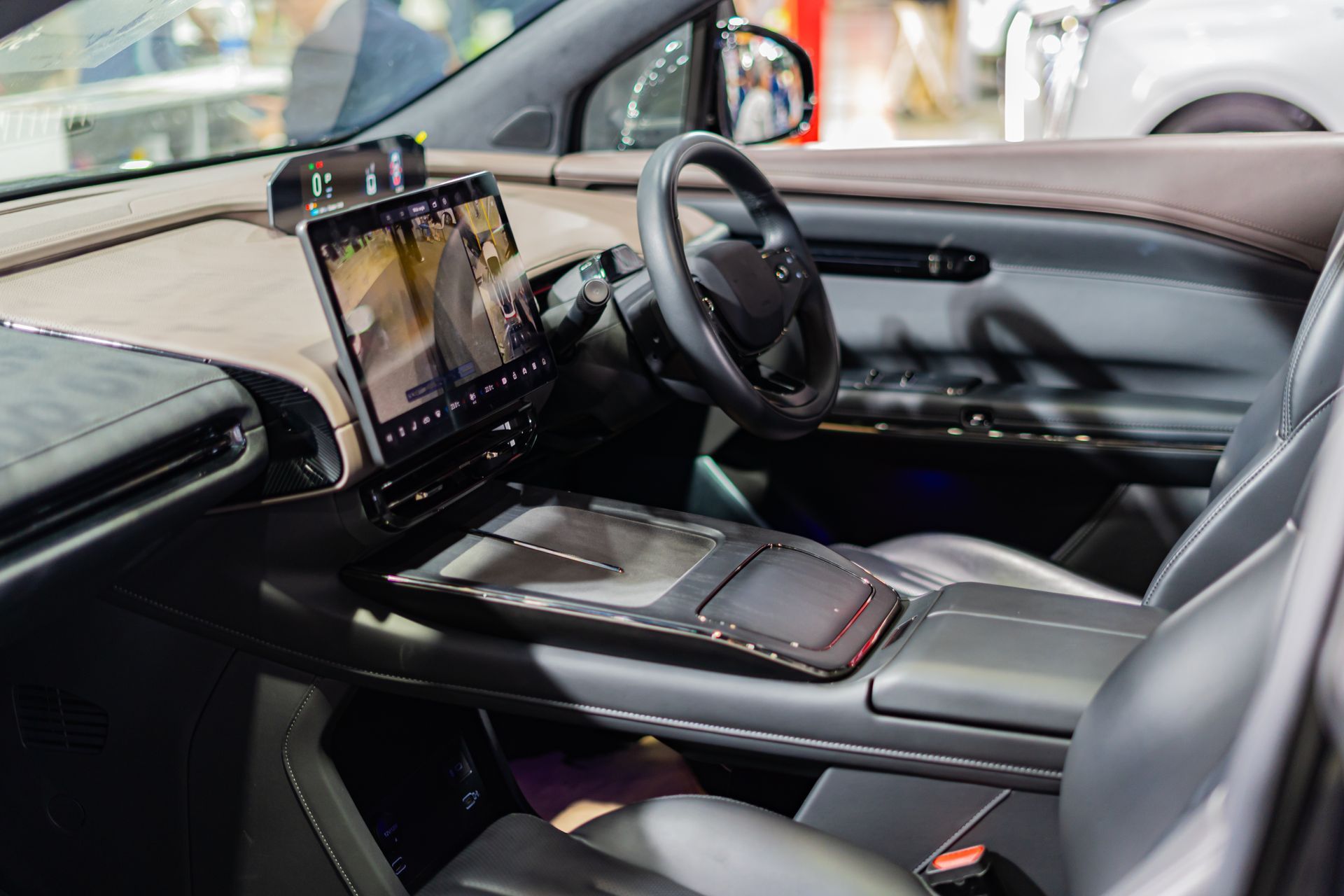
After UV Protectant application, dashboard surfaces maintain their original color tone instead of fading to gray, door panels stay flexible rather than developing stress cracks along seams, and leather seats retain moisture that keeps them soft to the touch. The difference becomes obvious when comparing treated surfaces to untreated areas like the rear cargo trim in SUVs, which often shows severe fading while protected front cabin materials remain close to factory condition.
The protectant reduces UV damage and moisture loss but does not reverse existing cracks or color fading, which require replacement or restoration beyond surface treatment. It is available as an add-on with Interior Detailing, Full Detail, or any other service to extend material life between detailing appointments.
What Clients Ask About UV Protection
Drivers want to know how often protectant needs reapplication and whether it changes the appearance or feel of interior surfaces.
What does UV Protectant prevent that regular cleaning does not?
UV protectant creates a chemical barrier that absorbs ultraviolet radiation before it breaks down the polymer chains in vinyl and leather, preventing the fading and cracking that occurs even in clean, well-maintained interiors.
How does Colorado's climate affect interior material aging?
Low humidity at altitude pulls moisture from leather and vinyl faster than coastal climates, while intense UV exposure breaks down protective surface coatings, causing materials to become brittle and crack within a few years without treatment.
When should UV Protectant be reapplied for best results?
Reapplication during seasonal detailing services maintains continuous protection, as the protectant layer gradually wears away through contact with clothing, cleaning, and temperature cycling inside the cabin.
Why does the protectant leave a matte finish instead of shine?
A non-greasy matte finish prevents glare reflection off the dashboard through the windshield and avoids attracting dust particles that stick to oily surfaces, keeping materials cleaner between treatments.
What surfaces benefit most from UV protection in Colorado Springs?
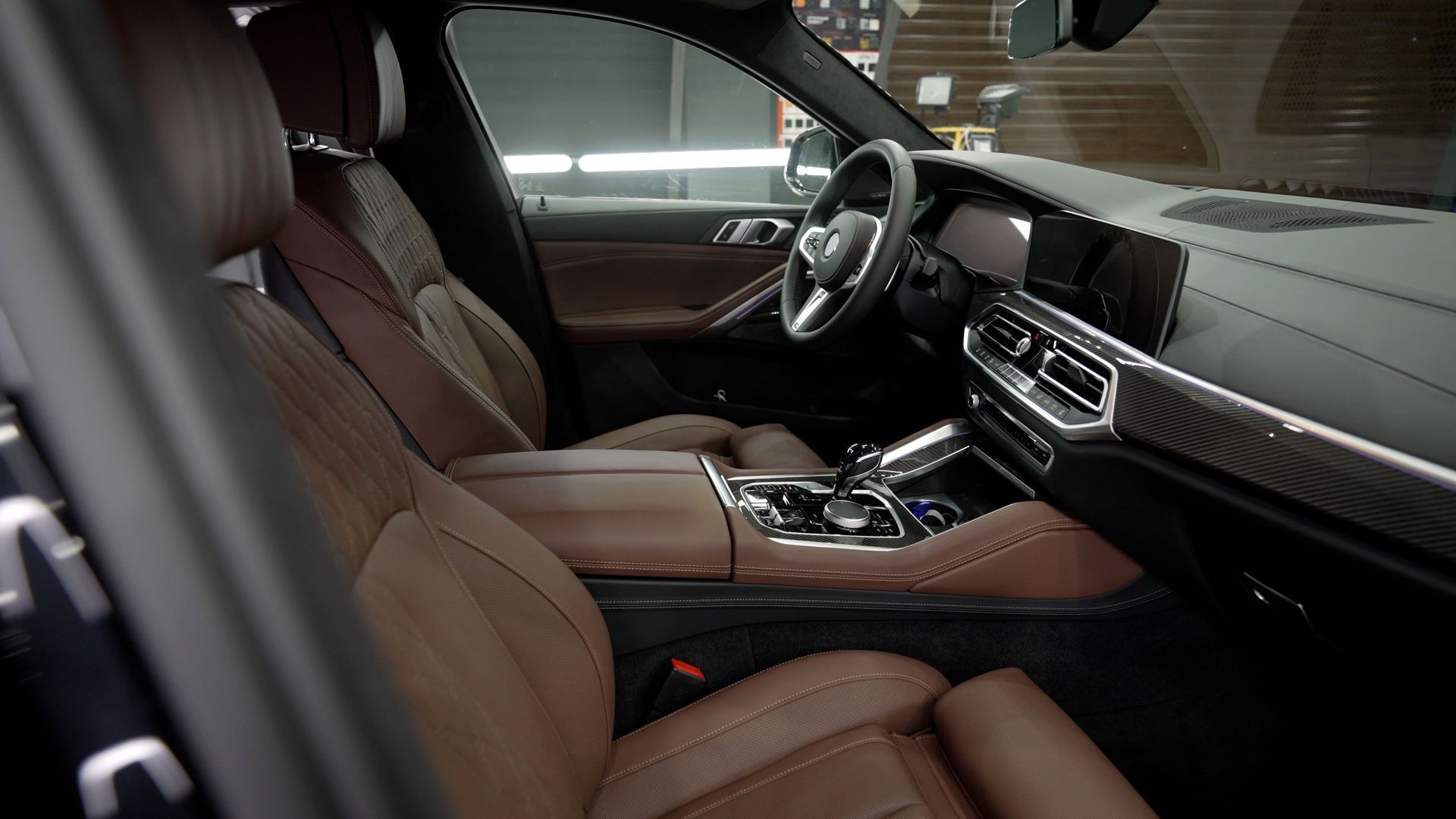
Dashboard tops, door panel armrests, center consoles, and steering wheels receive the most direct sunlight and hand contact, making them the highest priority for protectant application to prevent visible wear.
Gabriels Auto Spa applies UV Protectant to slow material breakdown caused by Colorado's intense sunlight and dry air. Request UV protection as an add-on to your next service to extend interior surface life and maintain factory appearance.